
Autonomous shotcrete unit BIS20-D for underground work
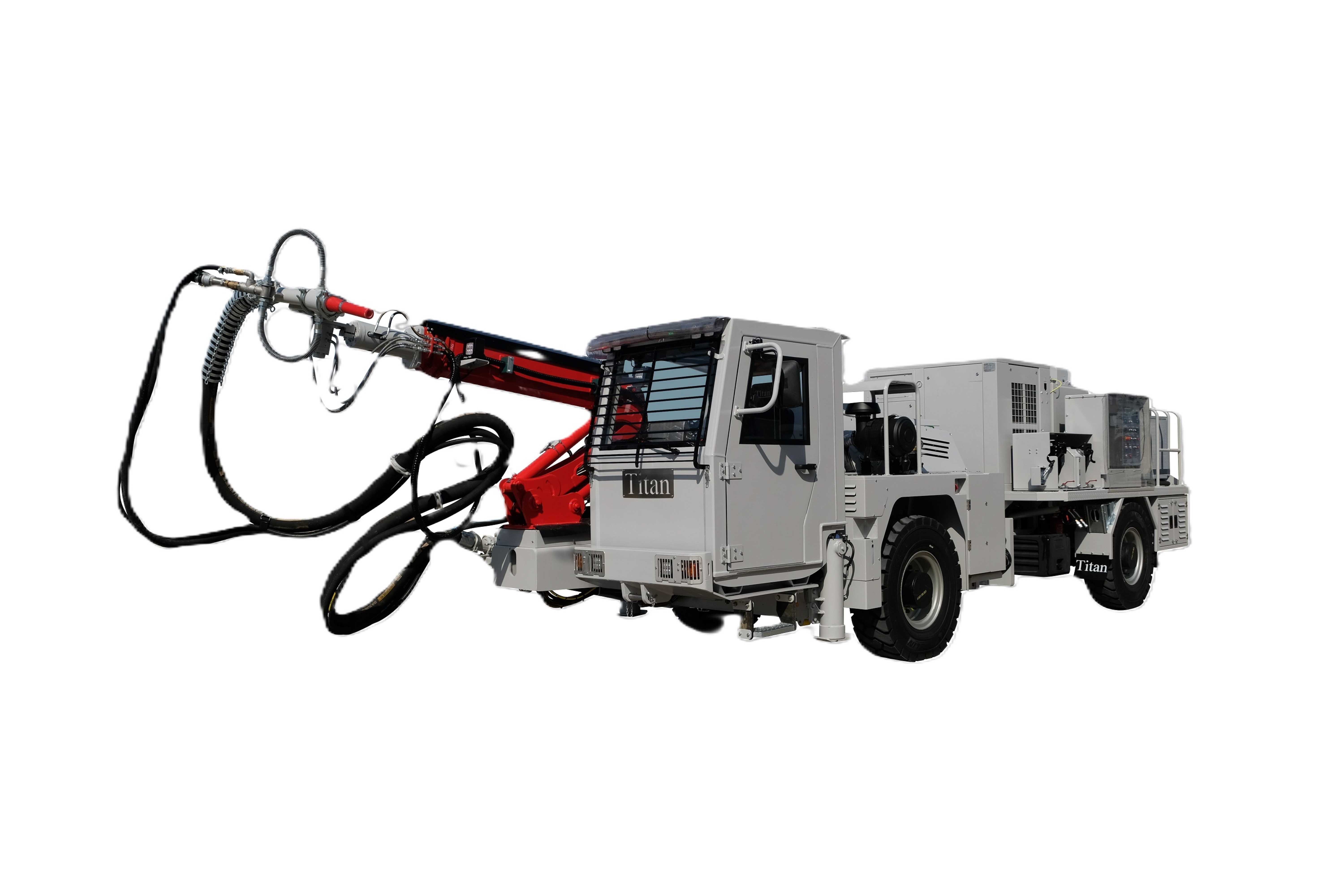
Russian underground mining companies require equipment capable of autonomous operation in remote mine sites without power supply. A new generation of diesel-powered equipment enables efficient operation over extended periods of time. This is precisely the type of equipment offered by Russian supplier GHH Fahrzeuge, together with its partner, Titan (Turkey): the new BIS20-D self-propelled concrete shotcrete machine with a diesel engine.
This new product was developed in response to a customer's request for a fully autonomous machine for applying wet concrete in hard-to-reach areas of mine workings. Based on operating experience with the previous version of the BIS20, GHH Fahrzeuge experts made significant modifications to the design of its components and assemblies, improving ease of use and durability.
The machine is equipped with two piston pumps with a maximum capacity of up to 20 cubic meters of concrete per hour, as well as a compressor with a capacity of 7.5 cubic meters of air per minute. The unique design of the telescopic boom allows it to cover areas up to 9.8 meters high and 8.3 meters wide.
All key components are protected by special metal panels, and the monitoring system automatically tracks material consumption and adjusts concrete flow. Modern displays display all key operating parameters, and specialized sensors monitor surface finish accuracy and prevent excessive dust and waste generation. The rebound rate (or "bounce") does not exceed 5%.
Technical specifications facilitate access to the main components and allow for simple oil and filter changes, as well as pump inspections. An industrial CAN bus enables precise diagnostics and monitoring of each unit's status.
Testing has confirmed the high reliability of the BIS20-D unit, making it an indispensable asset for Russian mines. The unit has passed field testing, confirming its high build quality and load-bearing capabilities. This autonomous diesel-powered shotcrete unit can solve the problem of power shortages in deep underground mines, opening up vast opportunities for optimizing underground operations and reducing costs.